Showing posts with label Mains. Show all posts

Friday, January 16, 2015

A Brief History of Chicken Chettinad

 
I recently discovered this beautiful Indian cookbook  – “The Bangla Table: Flavours and Recipes from Chettinad” – written by Sumeet Nair and Mrs Meenakshi Meyyappan.  Its a collection of recipes and stories from the Chettinad culture in South India’s Tamil Nadu state.                                                                                 The Nattukottai Chettinads were a people of traders who were known for their wide and adventurous travels – across India and other parts of South Asia, including Sri Lanka, Burma, Laos, Vietnam, Malaysia and Indonesia – in the 19th and early 20th centuries. Phew!   Now their descendants live in 73 villages and three still functioning temples centred around the town of Karaikudi, some 400 kilometres from Chennai.   (It’s apparently about 7 hours drive --- from Chennai or Bangalore.)
Chettinad cuisine - a mixture of both veg and non-veg dishes – has been heavily influenced by the history of this unique community, including borrowing from Penang’s famous Straits Chinese cooking, the flavours and herbs of Vietnam and Laos, and the Buddhist culinary culture of colonial Ceylon, now Sri Lanka.  Christian, Muslim and Hindu cultures have all had there impact on the people and the food of the Chettiars, as they are known.


The other major influence on Chettinad cuisine was, perhaps not surprisingly, the British occupation and colonisation of India and surrounding countries in the 18th and 19th centuries.   Many traditional British recipes were either adapted for Indian conditions or somehow evolved into what is known as Anglo-Indian cuisine – or “butler cuisine”, as its also known due to the fact that chefs and staff in the homes of both the British and the wealthy Chettiars were known as butlers and these staff were over the years shared between the two cultures.


The source of the recipes in “The Bangala Table” comes from one single family-owned business ...  a heritage boutique hotel (or ‘stay’ as they are known in India) known as The Bangala.   This is an early 1900’s mansion now converted into a 25 room hotel run by the MSMM family (in Tamil culture families are known by the initials of each succeeding generation) and the matriarch of the current family is Mrs Meenaskhi Mayyappan, who is also the co-author of the book.


My Chicken Chettinad Pepper Masala


This week I cooked one of the signature dishes from this book ... Milagu Masala Kozhi or Chicken Chettinad Pepper Masala, described as the “flag bearer of Chettinad cuisine”.    


The masala is dominated by a slighlty numbing mix of black pepper and chillies which gives the dish a very dark and viscous appearance.   But the taste was sublime - especially when paired with two other recipes from the book – Beetroot Poriyal, a wonderfully fresh tasting and crunchy beetroot dish cooked with mustard seeds, more chillies and grated coconut and Mathulampazham Thayir Pachadi  (try ordering that in a restaurant!?) or pomegranate raita.


There are a number of other fantastic looking recipes in book including Crab Curry Masala, a Mutton Ball Curry, Quail 65, Fish Kozhambu, Crab Rasam and Eggplant Masala.  
All of these recipes have a distinctive South Indian flavour to them with heavy spicing and the sour taste of tamarind, common to many Tamil recipes of the region.

Here is the recipe for the famous Chicken Chettinad!

Chicken Chettinad Pepper Masala   (Milagu Masala Kozhi)


The thick pepper & chilli masala
Ingredients:

Wet Paste:   1 t fennel seeds    2 t black peppercorns (I used 3)   1 t cumin seeds    4 dried red chillies    1 t coriander seeds    ½ t tumeric powder    1 t grated ginger and ½ t grated garlic  (I simply used ginger-garlic paste that we make up each week in our kitchen)  ½ C vegetable oil   2 inch piece of cinnamom   2 green cardamom pods (crack open the pod)   1 ½ red onions, finely chopped   ½ C tomato puree or paste   1 t sea salt   600 gms of chicken (1 small – medium chicken cut into 8 or more pieces)

The chicken pieces cooking in the curry mix
Method:

 Dry roast fennel, peppercorns, cumin, and dried red chillies in fry pan on low heat.   Grind them and then add a little water along with turmeric, garlic and ginger.   Leave aside.

 Heat large frypan on high heat and add oil.   Add cinnamom, cardamom and onion and cook for 4 mins.   Add tomato puree and cook further minute.   Add wet masala and stir.   Cook 10 – 12 minutes, till oil separates from masala.   Add salt and stir.

 
Add chicken and coast with the masala ingredients in pot.   Cook 2 mins and then add 1 ½ cups water.   Boil on high heat for 4 mins then reduce heat to low and cook for 15-20 mins, stirring occasionally.    Sauce should be reduced to thick coatening on chicken.

 Serve with Beetroot Poriyal and Mathulampazham Thayir Pachadi .


Beetroot Poriyal
Pomegranate Raita.


Tony saab, Hyderabad Jan 2015


Thursday, March 6, 2014

"Psaria" - a Greek-style Fried Fish with Vinegar Sauce


I recently discovered a series of cookbooks written by an Englishwoman named Sally Butcher.   She married an Iranian, taught herself to speak Farsi, and together they established what appears to be a very successful business importing and selling foodstuffs from Iran and surrounding countries in a shop in Peckham – a very multicultural suburb in south east London.


The shop is called Persepolis ... which is Persian for “Jamshid’s Throne” .... Jamshid also being the name of her husband.   And along the way Sally Butcher has written three amazingly knowledgable and informative cookbooks on vegetarian and non-vegetarian food from that region.  


The books are "Persia in Peckham", "Veggiestan" and "Snackistan"; I have slowly begun cooking my way through these three books ... a quest that will easily take me through to the end of the year at least.  And whilst I intend to come back to the first two publications on this blog, the third book is called “Snackistan” ... an imaginary country which she refers to as “a borderless confederation of the Middle East’s favourite foodstuffs”.  And it is from this book that I found a delightful and unusual recipe for fried fish.


Fish pieces after frying in seasoned flour.

The fish is first coated in seasoned flour and then simply fried; as Sally Butcher notes “this serves the dual purpose of locking the flavour and aroma in” ... thus reducing those lingering fish smells in the kitchen.  The fillets are then allowed to cool and a rich and puckery vinegar sauce is prepared using white wine vinegar, fresh parsley and the leftover flour used to coat the fillets.


Preparing the vinegar sauce.
The end result is quite a dramatic presentation for such a fairly simple recipe and it would make a great party stand-by as the fish and the sauce can be prepared separately in advance and then brought together just before serving plus it can also be served at room temperature.


PSARIA  or   GREEK-STYLE FRIED FISH WITH VINEGAR SAUCE


Ingredients:


800g fish fillets    salt   150g plain flour   1 t paprika   1 tsp turmeric   sunflower or olive oil   3 garlic cloves   1 t fresh or dried rosemary   100ml or 1/2 C white wine vinegar   bunch of fresh parsley, chopped   black pepper

Method:

Wash & dry fish and sprinkle with salt.   Mix 3 T flour with some salt, the paprika & turmeric.   Coat each piece of fish with the flour mixture, shake off excess and reserve rest of the flour.


Heat 1.5cm of oil in a pan and fry fish on each side for about 2-3 minutes, until they are golden brown.   Remove, drain and place on platter.

Strain 3 T of the cooking oil into a saucepan, heat and then add garlic and rosemary.   Add 2T flour from saved mixture, heat and stir until it starts to form a roux.   Add vinegar slowly along with a little water if it appears too thick; the mixture will begin to thicken when the vinegar is added so resist the temptation to add more flour ... as I did the first time!   Add parsley to the roux and season with salt & pepper.

Pour sauce over the fish on the platter and serve hot as is ... or let cool to room temperature for an hour before serving ... this is the traditional way it is served.    

I served this with brown rice and an Indian bhindi (okra) dish ...

Tony saab/Hyderabad   March 2014


Monday, February 24, 2014

Murgh Anardana or Stewed Chicken with Browned Onions and Fresh Pomegranate.

Stewed Chicken with Browned Onions and Fresh Pomegranate

I haven’t posted on this blog for quite some time.   This was due to a number of factors: busy doing some outside work at the film school, the hard drive on our desktop was full, the scanner broke and then the memory card in my camera was corrupted. Phew!  Plus we went to Australia over the Christmas period ... lots of great food and eating and drinking with family & friends in Melbourne and Sydney.   But no time to blog!

Nevertheless, I haven’t stopped cooking throughout this time.   In fact in early January I had a fairly intensive week in the kitchen in Melbourne brought about by the temperature being in the mid ‘40s for several days. I was staying at my sister’s house in the Dandenong Ranges -20 k’s out of the CBD - and only had access to an old car my brother had kindly lent me .... which was in danger of overheating anytime I took it on a trip.   So I had to stay put most of the week and cooked up a storm for myself ... my sister and her family were away on holidays.  

‘Dinner for one’ can sometimes also be relaxing ... plus I had the budgerigar to talk to as he had to stay indoors all of that week too!

Anyway, last night I was back in the kitchen with one of my favourite Indian cookbooks ... Raghavan Iyer’s “660 Curries”.   Whilst the title makes it sound like one of those generic cover- all- bases badly written ‘cheapies’ you often find on the discount tables in newsagents, this book is actually a masterpiece!    As the great Madhur Jaffrey says on the back cover of this more than 800 page tome ... “this book is nothing short of a treasure chest ... bursting with the true flavours of India’s many regions”.


Raghavan Iyer grew up in Bombay but now lives in the US where he is a writer, culinary consultant and cooking instructor.   I am in awe at the depth of knowledge and research that is contained between the covers of “660 Curries”; many of the recipes he has personally collected from family cooks in households across India and from the expat’ community in the US; often their stories are incorporated into the introduction to a particular recipe.   And the book ranges across all the different sub-cuisines of India and carefully explains their varied ingredients and cooking techniques. His experience as a teacher shines through in the clearly written recipes.


Last night I cooked Murgh Anardana or Stewed Chicken with Browned Onions and Fresh Pomegranate.   It was a fantastic dish ... not too many ingredients, simple technique and a surprisingly unusual and refreshing sauce made from coriander and fresh pomegranate kernels, which popped in your mouth as you ate the dish.

Chicken marinating in the ginger/garlic paste
The recipe calls for the chicken to be marinated first in ginger and garlic paste for some time to allow the flavours to permeate the chicken.   And then you make up a sauce beginning with the onions; this frying stage provided the basis of the sauce to follow and contributed to its unusual and exotic tangy taste.

We served this with brown rice and a simple green salad.   Kids really loved it!


Ingredients:

1 T ginger paste   1 T garlic paste  1 chicken, skin removed & cut into 8 pieces    2 T veg oil    6 cloves    2 cinnamon sticks    2 black or green cardamom pods (I used 2 of each)    2 bay leaves    I red onion, cut in half and then sliced (I am going to use 2 next time!)    1 cup of half & half (that’s a US ingredient of equal parts milk & cream .... but I used coconut milk instead)    2 tsps garam masala (I also added dried mint)    1 tsp salt    2 T fresh coriander, finely chopped    seed kernels from 1 (or 2) pomegranates

Method: 

Mix  ginger & garlic pastes, smear over chicken pieces and leave to marinate ... for at least 30 mins or overnight.

Heat oil in pan and then add cloves, cinnamon and bay leaves.   Cook for 1 min till the spices perfume the oil.   Then add onions and cook 10 to 15 mins - stirring frequently - until they brown.   (Note: at this stage my onions disintegrated and stuck thickly to the pan ... which is why next time I will be using more than one and watching the temperature in the pot.)

Add chicken pieces meat side down and spoon the cooked onion over the top.   Brown chicken on first side for 5 to 7 minutes then turn and cook other side same time.   Then remove chicken to a plate.

Add some of your milk/cream mixture and deglaze the pan, scrapping onions and meaty bits off the bottom and sides.   Then add rest of the liquid and stir in garam masala, mint and salt.  Cook gently for a few minutes and then return chicken to the pan meat side down.   Spoon the sauce over the chicken in the pan and cook covered on medium-low temperature 15 to 20 minutes until chicken is cooked through.   Turn the chicken a few times during this process.   Remove and arrange on serving platter.

              Sauce with fresh pomegranates and coriander                         
Stir coriander and pomegranate seeds into sauce, heat to medium stirring occasionally until sauce is gravy-thick .... 3 to 5 minutes.

Remove large spices from sauce and pour sauce over chicken on platter.  Serve with brown rice!


Tony saab/Hyderabad, Feb 2014


Sunday, May 26, 2013

London Calling


Just got back from the UK where we spent a couple of weeks with the kids … travelling between Brighton (where we were staying with friends) and London, where we did some sightseeing and shopping.   
 
Sussex countryside
 
 
The family in Trafalgar Square
 
London calling ...


Natural History Museum
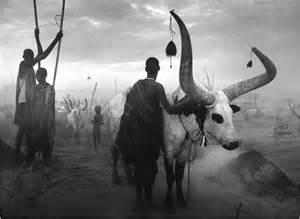
The Natural History Museum was amazing … especially their dinosaur collection; plus I got to see a Sebastiao Salgado exhibition called “Genesis”, based on his latest book of photography.   Salgado is a Brazilian documentary photographer who specializes in shooting various aspects of the biodiversity of the planet as well as traditional communities around the world.    There were more than 80 works in the exhibition … many of them truly breathtaking.


I also saw the Man Ray exhibition at the National Portrait Gallery which was particularly meaningful for me as I had just finished reading an extraordinary book, “Lee Miller: A Life”, about one of Man Ray’s lovers and professional assistants.    Lee Miller was an American woman born in the early 1900s who at various stages of her life was an actress, Vogue model and photographer …. or as the book cover describes her “ a model, photographer, muse and reporter, sexual adventurer and domestic goddess”! 
 
Lee Miller in the 1930s


'Solarised' portrait of Lee Miller by Man Ray
 
Lee Miller in Hitler's bathtub after the fall
of Munich, 1945
 
She assisted Man Ray in his experiments with early Surrealist photography, was a close confidant of Picasso and during the Second World War became a war correspondent for Vogue magazine covering the horrors of the German concentration camps and the liberation of Paris and Berlin.  
 
The lifestyle of her clique surrounding the Surrealist and Modernist painters and writers of the pre-WW2 years make the Swinging 60s sound very conservative!   And in the latter part of her life she was also a gourmet cook.


London was very relaxed and friendly … though maybe because we have being living in India for some time … I was surprised how pasty-faced and unhealthy many of the Brits looked … and also how many people still smoked furiously at all times of the day!


We had some great food and attended Brighton’s annual food festival on the beachfront; reminded me of the St Kilda festivals we used to go to every year in Melbourne.    Lots of beer and stout, and tents selling food from around the world!

Tamasin Day-Lewis's Classic Chicken Pie recipe
 
When we got back I cooked this chicken pie to remind us of Britain.   The recipe is from Irish food writer Tamasin Day Lewis (sister of Daniel) and it requires you to make the savoury shortcrust pastry as well as the delicious filling.   Great taste and a recipe I am going to make again very soon.


Making the pie crust
 
The chicken, leek & vegetable filling
The covered pie ready for baking
 
Classic Chicken Pie from Tamasin Day Lewis's cookbook "Tarts with Tops On "
 
Ingredients:
 
1.5 kg chicken   mix of carrots, celery, onions & herbs   2 carrots sliced into medium dice   2 stalks of celery, chopped   2 leeks, washed and sliced   2 red onions, peeled & quartered   55g butter   55g plain flour   150 ml milk   150 ml chicken stock (use the poaching liquid from chicken)   150 ml cream   sprig of parsley & coriander, chopped   salt & pepper   quantity of short crust pastry (use a favourite or familiar recipe)   1 beaten egg for glaze
 
Method:
     
Put chicken in pot with various loose vegetables for adding flavour.   Cover with water & bring to boil, scimming off scum on surface.   Poach covered for 45 - 60 minutes, turning chicken over half way.  
 
Make pastry according to recipe, shape into ball and leave in fridge covered for at least 30 minutes.
Steam vegetables in order of cooking time ... first carrots, then celery, onions & leeks ... steam for 5 mins.   Heat oven to 180C.  
 
Remove chicken from pot & after cooling remove skin & bones and tear meat into long strips.  (Use the skin & bones to put into stock.)
 
Make a roux with the butter & flour, gently heating and stirring. then add hot milk & hot chicken stock, stirring until you have a thick satiny sauce.   Cook long enough to get rid of flour taste & then stir in cream.   Remove from  heat and when cool add fresh herbs, chicken and vegetables.
 
Line a tart tin with 2/3rds of the pastry and spoon in the filling.   Cover with remaining 1/3rd of pastry and crimp the edges to seal pie.   Brush the top with the beaten egg.   Cut a cross in middle of pie to allow steam to escape.  
 
Bake about 1 hour until pastry is golden brown, then cover the top with greaseproof paper and cook a further 15 mins.   After removing from oven leave to rest for 15 mins before cutting & serving.
 
Only needs a fresh salad to accompany!
 
Sign in "Taj the Grocer" food shop, Brighton
                                      
Tony saab/Hyderabad   May 2012


Monday, February 11, 2013

A Fabulous Falaknuma Feast

Hyderabad's Falaknuma Palace ... built in the 1890s
I haven’t posted for some months due to a hectic Christmas period ... holidays and lots of overseas visitors!    But this first post for 2013 is to celebrate a fabulous dinner we had a few weekends ago at the Falaknuma Palace in Hyderabad.

The Oz Fest finale held in the Palace's Durbar Hall


The dinner was organised by the Australian Government to mark the end of the Oz Fest initiative  ... a 4 month festival showcasing aspects of Australian culture held in a number of major cities across India.    Juhee and I had met David Holly, the ebullient Consul-General for South India, the previous evening and he had very generously invited us to the dinner which was prepared by visiting Australian chef Christine Manfield.

Juhee & I at the reception

John Zubrzycki & his daughter Adele outside the Palace


The event was also an opportunity to celebrate the literary output of our friend – writer, journalist and Indophile John Zubrzycki, author of the best selling book “The Last Nizam” - which profiles the rule of the Nizams of Hyderabad and, in particular, the last Nizam Mukarram Jah's life in Australia , and his more recent work “The Mysterious Mr Jacob” - about a charismatic and mysterious diamond merchant who tried to sell the Sixth Nizam the famous Imperial Diamond in the 1890s. John was at the end of a book tour of India, accompanied by his daughter Adele.   He read excerpts from both books during the dinner.


John reading from "The Last Nizam"

The Falaknuma Palace was the residence of the Sixth Nizam of Hyderabad Mahboob Ali Khan at the end of the 19th Century.  Also known as the ‘Mirror of the Sky’, its an architectural menagerie of Tudor, Italian and French baroque styles and counts amongst its past guests King George the Fifth and the last Tsar of Russia, Nicholas the Second.  

After falling on hard times in the 1950s and lying empty for decades, the palace was leased by the Taj Hotels group and opened as a '7 star' luxury hotel in 2010 following 10 years of extensive and meticulous restorations!   It looked truly breathtaking in the evening light as we were ferried up the cobblestone drive in a golf buggy.

The dinner – a fusion of Indian and Australian ingredients - was described as a “Feast on Literature at the Durbar Hall” and featured several dishes including Masala spiced prawns and green mango salad, Yogurt baked snapper with walnut crumble, brown rice, fennel and pomegranante and Sichuan spiced chicken with chilli orange eggpplant.

Sichuan spiced chicken with chilli orange eggpplant

The food was indeed fabulous – and so were the wines – especially for us Aussies surviving in Hyderabad on beer, dark rum and the occasional bottle of locally made vino; mostly bottled in Maharashtra and still improving, so to speak!   We tried the Leo Buring Riesling, Jim Barry Lodge Hill Shiraz, Penfolds Grenache Shiraz and a brilliant Brown Brothers Orange Muscat.   (For a while I thought I was back in Dan Murphy’s wine shop in Melbourne!!)


Also present at the dinner was Dr Lachlan Strahan from the Australian High Commison in Delhi and the Victorian Governor Alex Chernov and his wife.   We spent some time chatting with ex-The Australian newspaper photographer Graham Crouch, who is now based in Delhi working as a freelancer along with his partner who is the South Asia correspondent for the same publication.  It  was great to catch up on Australian media gossip and share a few laughs during the dinner!   Graham very kindly allowed me to use some of his pictures in this post.

Christine Manfield ... from Sydney to the City of the Nizams!

I was impressed by the way Christine Manfield had managed to pull off such a superb dinner after having arrived in Hyderabad only a few days earlier with a very small retinue of staff from her restaurant in Sydney, the Universal and reportedly some 45 kilos of food.  Christine herself is also a huge India buff and recently released a large coffee table- sized book on Indian food, “Tasting India”.  Its part travelogue memoir, part cookbook with recipes collected from a number of chefs and home cooks across a large swathe of the subcontinent.

Our hosts very generously gave each guest a copy of her book along with John’s two publications and I couldn’t wait to try some of the recipes.

Here is dish that I cooked the next day “Spiced Prawn & Kokum Curry”, which was given to Christine by a chef at the Taj Malabar in Kochi, Kerala.

Spiced prawns simmering in a coconut- tomato broth
with kokum added as a souring agent

“Spiced Prawn & Kokum Curry” 
from Christine Manfield’s “Tasting India”

Ingredients:  

½ t turmeric, ¼ t salt, 2 t lime juice, 500gms green prawns, 2 T coconut oil (I used sunflower oil) , 1 t brown mustard seeds, 1 t fenugreek seeds, 4 T red onions – finely chopped, 1 T ginger-garlic paste, 2 T chilli paste, 200ml coconut milk, 12 curry leaves, 2 tomatoes pureed, and 2 T kokum water (soak a couple of pieces of kokum in hot water for 20 mins).

Method:

Combine turmeric, salt & lime juice and then rub into prawns and keep aside.

Heat coconut oil in pan & fry mustard and fenugreek seeds over medium heat until they splutter. (Careful they don’t burn!)   Add red onions & cook until it changes colour, then add ginger garlic paste and cook until brown.   Stir in chilli paste & coconut milk and simmer for 10 minutes’ stirring occasionally to avoid mixture catching on pan.

Add curry leaves & tomato puree and simmer for 2 mins.   Add prawns - toss through sauce – then add kokum water (I also added the whole kokum pieces).   Simmer for a further 5 mins and serve.

The finished dish

 
Tony saab/Hyderabad   Feb 2013
 
(*   All photos were taken by Graham Crouch except the food shots and the picture of Christine Manfield.)